
Home >> Blog >> Burning Bright and Burning Out: The Hidden Price of Competence
Burning Bright and Burning Out: The Hidden Price of Competence
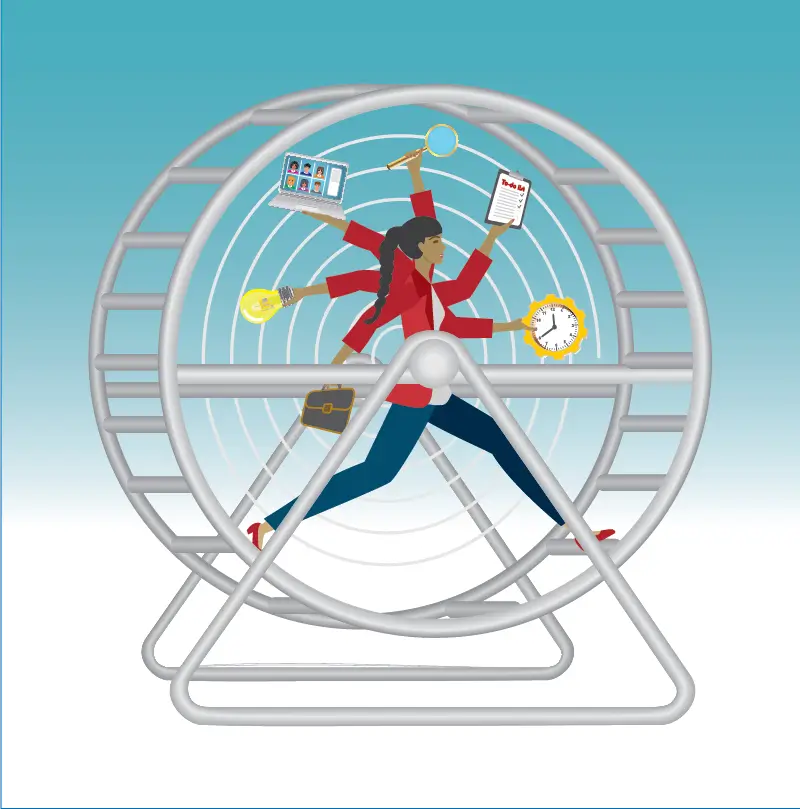
High-Functioning but Exhausted?
You’re getting everything done.
- You show up to work.
- You meet deadlines.
- You take care of everyone else.
- From the outside, you look capable — maybe even impressive.
So why are you so dang tired?
If you feel like you’re doing everything right, but are emotionally drained, you may be experiencing a form of burnout that often goes unnoticed—especially in high achievers, caregivers, and helping professionals.
What is High-Functioning Burnout?
High-functioning burnout doesn’t look like falling apart.
It looks like:
- Answering emails at 10 pm.
- Smiling through meetings while running on empty.
- Being the reliable one everyone depends on.
- Secretly fantasizing about disappearing for a week just to rest.
Unlike traditional burnout, which is characterized by performance decline, high-functioning burnout hides behind productivity. You’re still achieving. You’re still showing up. But it’s costing you.
Over time, this kind of chronic stress can lead to:
- Emotional numbness
- Irritability
- Difficulty sleeping
- Increased anxiety
- Physical exhaustion
- Feeling disconnected from work you once cared about
Because you’re still functioning, people may not notice. You may not even give yourself permission to notice. But it’s important to learn how chronic stress affects your nervous system and ways to manage it.
Why High Achievers Are Especially Vulnerable
If you identify as a high achiever or perfectionist, burnout can be particularly sneaky.
Many high-functioning adults learned early on that:
- Being capable equals being valued.
- Slowing down feels unsafe.
- Rest must be earned.
- Other people’s needs come first.
This mindset creates an internal pressure system that doesn’t turn off — even when your body is begging for relief.
You may tell yourself:
- “I should be able to handle this.”
- “Other people have it worse.”
- “I’m lucky to have this job.”
And so you keep going.
Burnout vs. Compassion Fatigue
For caregivers, therapists, teachers, medical professionals, and parents, burnout can overlap with compassion fatigue.
Burnout is often tied to workload and chronic stress.
Compassion fatigue happens when you absorb the emotional weight of others’ pain for too long without replenishing yourself.
Signs of compassion fatigue may include:
- Feeling emotionally depleted after helping others
- Reduced empathy
- Cynicism or detachment
- Guilt for feeling tired of caring
If you work in a helping profession, this isn’t a character flaw. It’s a nervous system response to prolonged emotional output.
The Hidden Cost of “Holding It All Together”
High-functioning burnout often carries shame.
Because you’re still managing your responsibilities, it can feel dramatic to admit you’re struggling. You may minimize your exhaustion or compare yourself to people who appear to be “worse off.”
But holding everything together externally while falling apart internally is not sustainable.
Left unaddressed, chronic burnout can contribute to:
- Anxiety disorders
- Depression
- Relationship strain
- Increased health problems
- Loss of purpose or meaning
The goal isn’t to wait until you break down. The goal is to listen sooner.
How Therapy Can Help with Burnout
Therapy for burnout isn’t about teaching you how to be more productive.
It’s about:
- Understanding the beliefs driving your over-functioning
- Learning to recognize early stress signals
- Developing boundaries that protect your energy
- Reconnecting with what feels meaningful
- Creating space for rest without guilt
For many high achievers, the deeper work involves exploring identity — who you are beyond what you accomplish.
In therapy, you’re allowed to:
- Not be the strong one
- Not have the answers
- Not hold everything together
That relief alone can be powerful.
You Don’t Have to Be Falling Apart to Deserve Support
One of the biggest myths about therapy is that you have to be in crisis to begin.
You don’t.
- If you are high-functioning but exhausted…
- If you dread work you once loved…
- If you feel irritable, numb, or stretched too thin…
- If you can’t remember the last time you felt truly rested…
Those are enough reasons.
Burnout doesn’t mean you’re weak. It often means you’ve been strong for too long without support.
If you’re noticing signs of burnout or compassion fatigue, supportive therapy can provide a space to slow down, process, and recalibrate. You don’t have to keep proving you can handle everything alone.
Beginning therapy is not a failure…
It’s a shift toward sustainability—and toward yourself.