Home >> Blog >> The Cost of Constant News Consumption and 9 Ways to Disconnect in a Healthy Way
The Cost of Constant News Consumption and 9 Ways to Disconnect in a Healthy Way
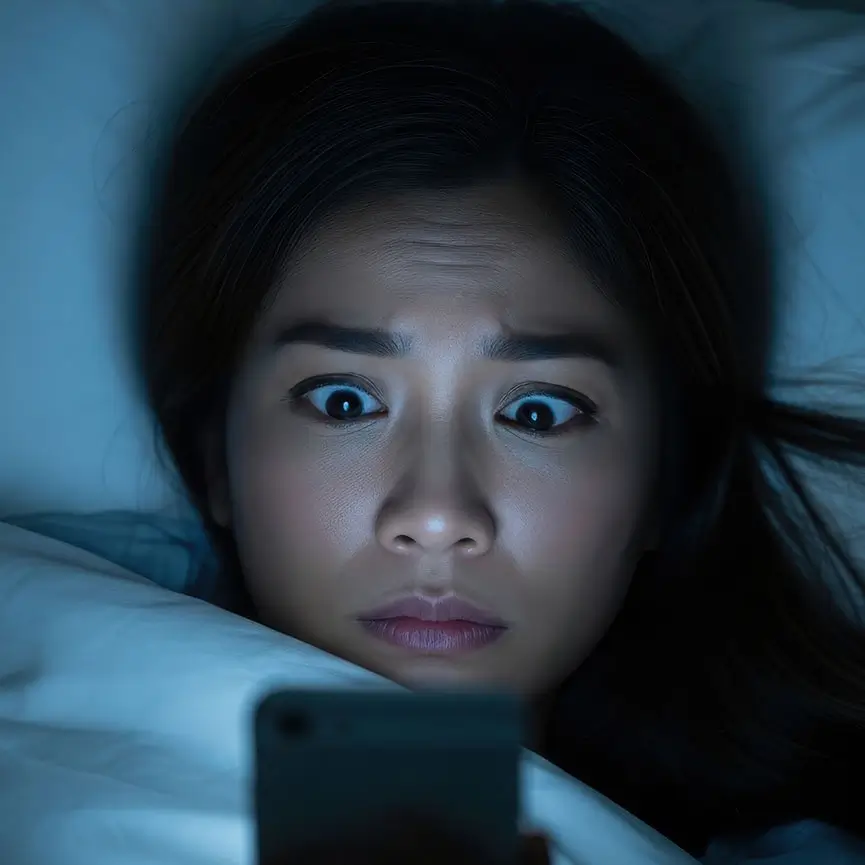
Overwhelmed by the endless stream of news?
Do these sound familiar?
- “I don’t know how to unplug.”
- “I feel like I need to stay informed.”
- “So much is happening, I can’t look away.”
If you’ve ever had a thought like this, you are not alone. We are living in an information era, with 24-hour news cycles and a media machine that endlessly feeds us opinions. All from the tiny computers in our pockets that notify us in real time about every horror unfolding.
Technology has transformed our lives in many ways for the better. However, our nervous systems were not built for the constant stream of information that we are exposed to. The social media ecosystem thrives on serving up tragedies—day in, day out—to keep us engaged.
Can too much media consumption damage my mental health?
There is nothing inherently wrong with staying up to date on what is happening in the world. However, the constant consumption of news and updates is absolutely damaging to your mental health. Why?
- It is addictive – we can become consumed with doomscrolling and refreshing for updates.
- It is depressing – we are bombarded with negative images and stories.
- It is skewed – “Newsworthy” has become synonymous with tragedy and fear, far fewer stories point to the good that is happening. The majority of all news stories are negative or fear-based.
- It leads to hopelessness – Due to the reasons above.
Negative news gets more clicks
For survival, we are wired with a negativity bias. It’s been reported that we think many thousands of thoughts a day, and up to 80% of these are negative. We naturally pay more attention to negative events (threats) than to positive ones. We tend to share negative news more as well. News outlets and content creators are aware of this and use it to their benefit. More fear equals more clicks or views.
Negative events stand out and make us take notice. As the saying goes, “The squeaky wheel gets the grease.”
None of this is to say that there aren’t horrible things going on right now. Clearly, there is a great deal that is absolutely devastating. As someone who wants to be involved and not turn a blind eye to the horrors unfolding, I recognize the need to tune in, to pay attention. I, too, struggle with creating a balance around this. But it’s important not to fall into a state of despair and hopelessness.
If we succumb to our basic propensity to only see the bad in the world, we dismiss the important good that is happening as well. It is important that we acknowledge the beautiful and wonderful things that happen every day.
Try these 9 strategies to create balance and protect your nervous system from overwhelm
- Don’t wake up to your phone. Create a 10-15-minute delay before checking your phone. Take that time to breathe and create an intention for your day.
- Block news notifications from popping up. You will find out anything important that you need to know in plenty of time.
- Choose your news sources wisely. Be sure they are accurate and not sensational. Be aware of clickbait and inflammatory headlines.
- Choose to read, rather than watch the news. The onslaught of violent and traumatic images in the media, viewed over and over, increases cortisol and can lead to vicarious trauma.
- Limit your screen time. As hard as this is, it is important to set a limit. Maybe no more than an hour or two a day. Split into 2 to 3 sessions.
- Make a conscious choice to feed yourself some positive news. There are news sites dedicated to positive news stories. Find them and build those into your algorithm.
- Get outside and in nature for some time every day. Being in nature reminds you that there is still beauty in the world.
- Be mindful. Pay attention to how children laugh, how animals play, and delight in the simplest things. Staying in the present moment can pull you away from incessant worry about the future.
- No news or social media an hour before bed. Instead, use that time to unwind, have a cup of tea, connect with loved ones, practice breathing, laugh (watch a comedy or read something funny). Allow yourself to ease into sleep so you can rest well.
Creating balance in our consumption of news and social media isn’t easy, but it is necessary if we want to protect our nervous systems, feel a sense of peace, and be present for the people and things in our lives that matter most. If you find yourself struggling with overwhelm and fear, talking with a supportive therapist can help you to navigate this difficult time.